
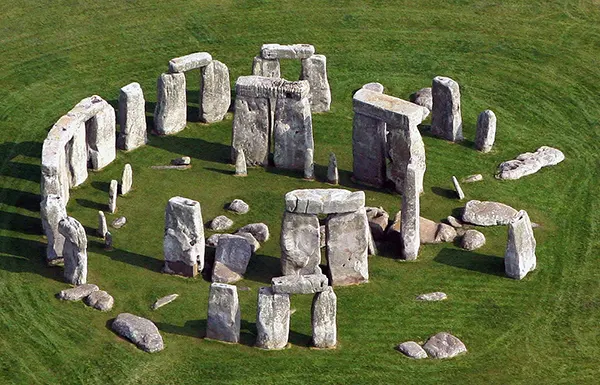
Stonehenge, Great Britain: the best time to visit and the access rules (2026)
Stonehenge is one of those places where timing matters almost as much as the monument itself. The light, the wind on Salisbury Plain, and the way visitor entry is managed all change how the site feels on the day. Below is a practical 2026-focused guide to choosing the right season and time slot, plus the key rules you need to know before you arrive.
Choosing the best time to visit Stonehenge in 2026
If you want a calmer experience, aim for the first entry slots of the day or the later afternoon slots, when many tour groups have already moved on. English Heritage lists “Mon–Sun 9.30am–5pm (last entry at 3pm)” for the current winter-style schedule, and it’s a good reminder that the site runs on structured entry rather than open wandering.
Seasonally, late autumn to early spring usually means thinner crowds, sharper visibility, and dramatic skies. The trade-off is wind chill and shorter daylight, so you’ll want warm layers and footwear that copes with uneven ground. In late spring and summer, the landscape looks softer and the days are long, but visitor numbers rise quickly, especially at weekends and during school holidays.
For photographers, the “best time” is less about the calendar and more about sun angle. Early morning gives flatter, softer light on the sarsens, while late afternoon adds longer shadows and more depth around the stones. If your main goal is a reflective walk rather than a snapshot, pick a weekday outside school breaks and you’ll feel the difference.
Solstices and equinoxes: special access, special conditions
Stonehenge is aligned with the solstices, and that draws big crowds. At summer and winter solstice celebrations, English Heritage often runs Managed Open Access where entry can be free, but the rules tighten significantly because the site is protecting people and the monument at the same time.
For these nights and early mornings, expect security checks and restrictions on what you can bring. The conditions published for Managed Open Access include clear bans on climbing the stones, alcohol, drugs, glass items, and drones, and they limit bag size due to counter-terror measures.
Transport planning matters even more at solstice. English Heritage warns that parking can be very limited and may close once full, with payment handled via the PayByPhone app during these events. If you’re not specifically travelling for the solstice atmosphere, you’ll usually have a smoother visit by choosing another date and a quieter timed slot.
How entry works: tickets, timing, and what “access” really means
For standard visits, booking ahead is strongly worth doing. English Heritage states that pre-booking online saves 15% on the gate price, and it helps you secure the time slot you actually want. Walk-up purchase can be available, but it’s not the safest plan in peak periods.
Build your schedule around the last admission rule. English Heritage notes that last admission is 2 hours before the advertised closing time, so arriving “late” often means you lose time in the exhibition, visitor facilities, and the walk or shuttle element before you even reach the stones.
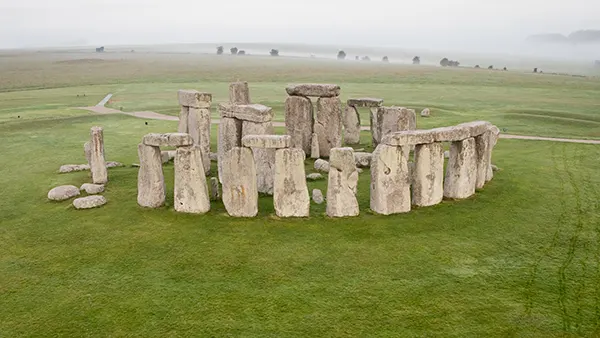
It also helps to understand that Stonehenge has different levels of access. A general admission visit gets you close enough for strong views and photos, but you’re typically kept to managed paths and viewing areas. Going inside the stone circle is usually reserved for special experiences (such as Stone Circle Access visits) rather than the standard daytime ticket.
Getting to the stones: walk options, transport, and accessibility support
Stonehenge is near Amesbury (Wiltshire), with Salisbury often used as the public-transport hub. English Heritage notes Salisbury as the nearest bus and rail station during solstice travel guidance, and it’s a practical reference point for standard visits too if you’re coming by train.
On busy days, the “last mile” is what catches people out. English Heritage highlights an approximate 1½-mile (2km) walk from the visitor centre area to the stones for bus users at solstice time, across uneven ground, and advises sensible footwear and a torch when appropriate. Even outside event periods, you should plan for exposed conditions and allow time to reach the monument field.
If you have access needs, the official access information is clear that a carer or companion can attend, and assistance dogs are welcome. The same access page also highlights facilities designed to support visitors with different mobility requirements, and recommends contacting the site in advance if you have specific needs.
Rules you should know before you arrive
The most important rule is the simplest: respect the monument and the people around you. At solstice, English Heritage explicitly bans climbing or standing on the stones, and those restrictions reflect how seriously conservation is taken at a World Heritage Site.
Photography is generally fine for personal use, but it is not “anything goes”. English Heritage’s Stone Circle Access terms make clear that commercial and promotional filming or photography requires prior written permission, and that selling images taken at the site is not allowed without permission.
Expect controls on animals and aircraft as well. The terms state that dogs and other animals are not allowed beyond the main entrance point (except registered assistance dogs), and that drones must not be flown over the monument field without written permission—never over the monument itself.
A practical checklist to avoid problems on the day
Bring weather protection even in summer: a light waterproof, a warm layer, and something to block wind. The open landscape can feel colder than the forecast suggests, and comfort makes you more patient with timed entry, queues, and walking sections.
Keep bags small and uncomplicated, especially if you’re visiting around major events. Managed Open Access conditions specify small bags only due to security measures, and similar logic can apply to peak days when stewarding is tighter and the site is busy.
Finally, treat your time slot as fixed and plan backwards. Allow time for parking or drop-off, visitor centre facilities, and the journey out to the stones. When you arrive with a buffer, you can focus on the landscape and the monument rather than watching the clock.