Sustainable City Tourism in Europe: Practical Travel Trends for 2026
City tourism in Europe has changed noticeably during the past decade. Travellers increasingly prefer destinations that balance cultural heritage, environmental responsibility, and comfortable urban infrastructure. By 2026, many European cities are actively redesigning their tourism strategies to reduce overcrowding, improve public transport, and promote local experiences rather than mass sightseeing. For travellers, this shift means better access to authentic neighbourhoods, regional food culture, and environmentally responsible travel options.
How European Cities Are Redesigning Tourism Policies
Several European municipalities have introduced new policies to manage visitor numbers and protect historical districts. Cities such as Venice, Barcelona, and Amsterdam now regulate short-term rentals, restrict large tour groups in central areas, and encourage visitors to explore less crowded neighbourhoods. These measures aim to reduce pressure on historic centres while still supporting local economies.
Urban tourism strategies increasingly focus on decentralisation. Instead of concentrating all attractions within a few famous landmarks, tourism boards promote cultural routes, modern art districts, waterfront redevelopment zones, and industrial heritage sites. This approach spreads visitor activity across wider areas and allows smaller businesses to benefit from tourism.
Another noticeable change involves cooperation between tourism authorities and local communities. In many European cities, residents participate in planning decisions related to festivals, events, and visitor services. This helps maintain a balance between tourism development and everyday urban life.
Regulations and Visitor Management Systems
Digital reservation systems for popular landmarks are becoming common across Europe. Museums, cathedrals, and observation points increasingly require visitors to book time slots in advance. This system helps control queues, improves safety, and allows institutions to maintain stable visitor flows throughout the day.
Some cities are also experimenting with daily visitor caps for specific areas. Venice introduced an access fee for day-trippers entering the historic centre during peak periods, while Dubrovnik limits cruise ship arrivals. These measures are designed to prevent extreme congestion and preserve fragile historic architecture.
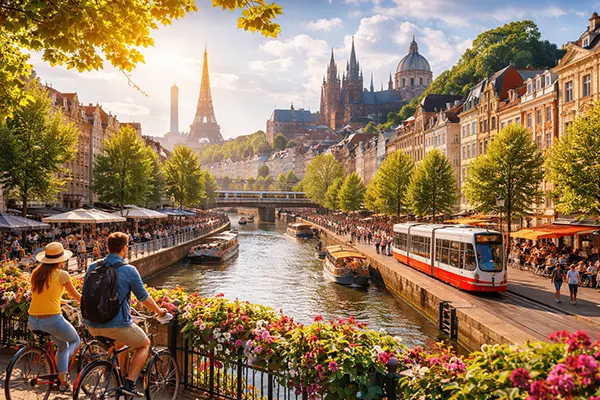
Urban mobility plays an important role in visitor management. Expanding tram networks, pedestrian zones, and bicycle infrastructure allows tourists to move around cities without increasing traffic pollution. Copenhagen, Vienna, and Paris have invested heavily in these solutions.
Public Transport and Low-Emission Travel
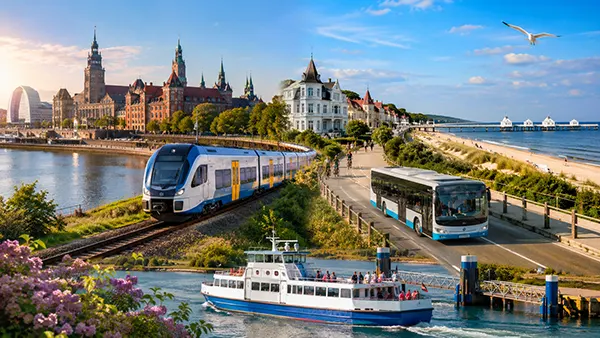
Transport policies strongly influence modern city tourism. European capitals now prioritise electric buses, metro extensions, and regional rail connections that link airports directly with city centres. Efficient transport systems allow visitors to move easily between cultural districts, museums, and accommodation areas.
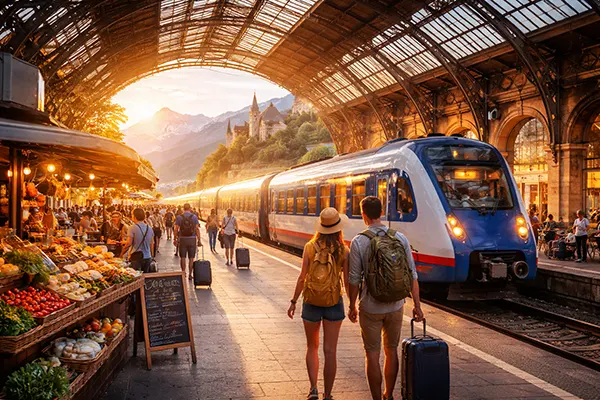
Rail travel continues to gain popularity among travellers who want to reduce their environmental impact. High-speed train networks across France, Germany, Spain, and Italy offer reliable alternatives to short-haul flights. By 2026, several new cross-border routes are expected to expand connections between major tourist regions.
Bike-sharing systems are another visible feature of modern tourism infrastructure. Cities like Paris, Berlin, and Brussels provide thousands of public bicycles and electric scooters that visitors can rent using mobile applications. This allows travellers to reach locations that are not always accessible by traditional sightseeing buses.
The Growth of Night Trains in Europe
Night trains are experiencing a significant revival across Europe. Operators such as ÖBB Nightjet and European Sleeper have launched new routes connecting cities including Vienna, Brussels, Amsterdam, Prague, and Berlin. These services allow travellers to cover long distances overnight while reducing the need for flights.
The comfort level of modern sleeper trains has improved considerably. Many carriages now include private cabins, showers, and digital booking systems. Travellers can depart in the evening and arrive in another country the next morning, making the journey itself part of the travel experience.
Rail expansion projects supported by the European Union are expected to strengthen this trend. Funding initiatives aim to increase international rail capacity and simplify cross-border ticketing systems, making train travel more convenient for tourists.
Local Experiences and Cultural Micro-Tourism
Tourists increasingly search for smaller, locally focused experiences rather than large commercial attractions. Culinary tours, neighbourhood markets, independent museums, and community workshops are becoming central parts of urban travel itineraries. This approach allows visitors to understand daily life in the city rather than simply observing famous landmarks.
Food culture plays a particularly important role in modern tourism. Cities such as Lisbon, Naples, and Copenhagen actively promote regional ingredients, traditional recipes, and contemporary gastronomy. Local restaurants, bakeries, and wine bars attract visitors who want to experience authentic flavours tied to regional identity.
Creative industries also contribute to city tourism growth. Art studios, design districts, music venues, and independent cinemas draw visitors interested in cultural production rather than conventional sightseeing routes.
Neighbourhood Tourism and Urban Heritage
Neighbourhood tourism focuses on districts that historically received fewer visitors. In cities like Milan, Warsaw, and Rotterdam, former industrial areas have been transformed into cultural zones with galleries, cafés, and start-up spaces. These areas often reveal a different side of urban history.
Urban heritage projects preserve historic factories, railway depots, and warehouses by converting them into museums or public cultural venues. Such redevelopment maintains architectural heritage while creating new spaces for exhibitions and community events.
For travellers, exploring neighbourhood districts offers practical advantages. Streets are typically less crowded, prices in local cafés are lower than in central tourist zones, and interactions with residents are more natural. This style of travel reflects a broader shift towards slower and more thoughtful tourism.