Hel Peninsula Off-Season Travel Guide: When to Go, Where to Stay, and How to Move Without Queues
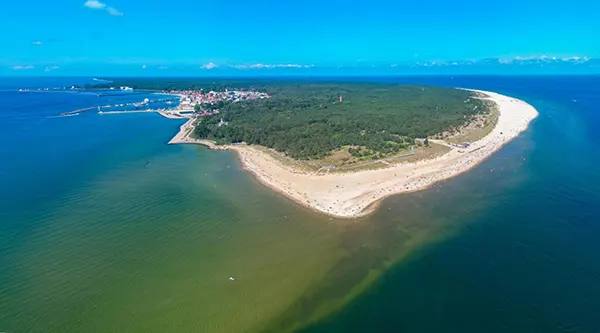
The Hel Peninsula on Poland’s Baltic coast is often associated with crowded summer beaches and long queues for transport. However, outside peak season it becomes a completely different destination — quieter, more authentic, and far easier to navigate. Travelling here in spring or autumn allows you to see the same landscapes without the pressure of mass tourism, while still benefiting from good infrastructure and reliable connections.
When to Visit Hel Peninsula for a Quieter Experience
The most balanced periods to visit Hel are late April to early June and September to mid-October. During these months, temperatures are mild, typically ranging between 10°C and 20°C, making it comfortable for walking, cycling, and coastal exploration. The sea remains cold, but the air is fresh and visibility is often better than in summer.
Autumn, in particular, offers a unique atmosphere. The forests along the peninsula turn golden, and the coastline becomes noticeably calmer. Wind conditions are stronger, which attracts kite surfers, yet beaches remain largely empty for casual visitors. Accommodation prices also drop by 20–40% compared to July and August.
Winter travel is possible but requires planning. Many seasonal businesses close, especially in smaller towns like Jurata. However, Hel town itself remains active year-round, with open restaurants, museums, and transport links. This period suits travellers looking for solitude rather than variety.
Weather Patterns and Practical Considerations
The Baltic coast is known for rapidly changing weather, particularly in shoulder seasons. Wind can increase suddenly, especially in May and October, so layered clothing is essential. Waterproof jackets are recommended even on clear days.
Daylight hours vary significantly. In May, you can expect long evenings, with sunset after 8 pm, while in October daylight shortens quickly. Planning outdoor activities earlier in the day helps avoid discomfort caused by temperature drops after sunset.
It is also worth noting that off-season conditions reduce waiting times for major attractions, including the Hel Peninsula lighthouse and seal sanctuary. This alone can significantly improve the overall travel experience compared to summer visits.
Where to Stay: Best Locations Without the Crowds
Choosing the right base on the peninsula depends on your priorities. Hel town offers the most infrastructure, including year-round accommodation, supermarkets, and public transport hubs. It is the most practical option for first-time visitors travelling outside summer.
Jastarnia is a quieter alternative with a good balance between accessibility and atmosphere. It remains partially active in the off-season, with several guesthouses and cafés open. It is also well-positioned for cycling routes that run along the peninsula.
Kuźnica is ideal for travellers seeking minimal noise and direct access to nature. This small village has limited services outside summer, but it offers uninterrupted coastal views and easy access to both the open sea and the calmer bay side.
Accommodation Types and Booking Tips
In the off-season, private apartments and guesthouses dominate the market. Many owners offer flexible check-in times and discounts for longer stays. Booking platforms show reduced availability, but direct contact with property owners often reveals additional options.
Hotels in Hel and Jastarnia remain open throughout the year, although some reduce services such as spa facilities or restaurant hours. It is advisable to confirm these details in advance, especially for short stays.
For budget travellers, hostels and smaller pensions provide affordable options starting from around £25–£40 per night. Prices increase slightly during public holidays, even outside peak tourist months.
Getting Around Without Queues or Delays
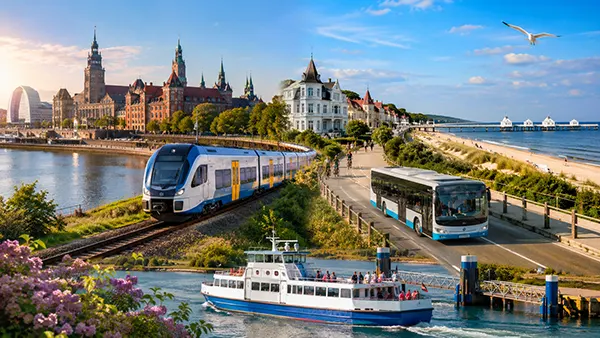
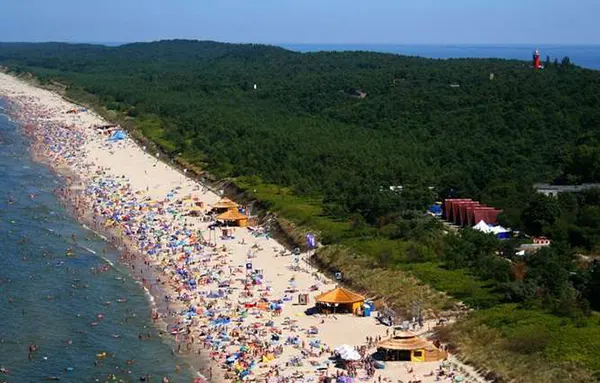
Transport is one of the biggest challenges during the summer season, but outside peak months it becomes significantly easier. Regional trains from Gdynia to Hel run regularly, with fewer passengers and no standing crowds. Travel time remains around 1.5 to 2 hours.
Driving is also more practical in the off-season. The single road connecting the peninsula is no longer congested, allowing smooth travel between towns. Parking, which is limited in summer, becomes widely available and often free outside central areas.
Cycling is one of the most efficient ways to explore the peninsula. A dedicated bike path runs along most of its length, connecting major towns. In cooler months, this route is far less crowded, making it suitable even for less experienced cyclists.
Alternative Transport Options and Local Mobility
Ferry connections from Gdańsk and Gdynia operate less frequently outside summer but remain available on selected days. These routes provide scenic access to Hel without relying on road traffic.
Local buses continue to operate between towns, though schedules may be reduced. They are reliable and inexpensive, making them a good backup option if weather conditions affect cycling plans.
For short distances, walking remains a practical choice. Many towns on the peninsula are compact, and coastal paths allow direct movement between beaches, forests, and residential areas without the need for transport.