Weekend in Liverpool: Music, Docklands and Evening Entertainment Without Overspending
Liverpool remains one of the most interesting British cities for a short weekend trip in 2026. The city combines maritime history, live music venues, historic dock districts and affordable nightlife without requiring a large travel budget. Visitors can spend two or three days exploring museums, walking through former industrial quarters, listening to local bands and trying traditional food while keeping expenses under control. Liverpool is also convenient for travellers arriving from Poland thanks to direct low-cost flights and well-developed public transport connections from the airport to the city centre.
Affordable Ways to Explore Liverpool’s Musical Heritage
Liverpool continues to attract travellers because of its strong musical identity. The city is internationally linked with The Beatles, but modern Liverpool offers much more than famous landmarks connected with the band. Independent music venues, underground clubs and small live concert bars operate throughout the week, especially around Mathew Street, Baltic Triangle and Ropewalks. Many venues organise free-entry concerts during weekends, allowing visitors to experience local music without paying expensive ticket fees.
One of the most practical options for budget-conscious travellers is purchasing a combined city sightseeing ticket. In 2026, several local tourist operators offer passes that include entry to museums, short walking tours and discounts for live music events. The Beatles Story museum near Albert Dock remains one of the city’s most visited attractions, but travellers looking for free experiences can also visit the Liverpool Waterfront, Penny Lane and Strawberry Field areas independently using public buses.
Music lovers should also consider visiting local pubs outside the busiest tourist streets. Areas such as the Georgian Quarter and Hope Street often feature acoustic performances with lower drink prices compared to central nightlife districts. Weekend evenings in these neighbourhoods feel more authentic and less commercial, making them suitable for travellers who prefer local culture over crowded entertainment zones.
Where to Listen to Live Music Without Paying High Prices
Several Liverpool venues continue to offer inexpensive live music events in 2026. Cavern Club remains the most recognised venue, although ticket prices there are usually higher during weekends. Travellers searching for more affordable alternatives often choose Jacaranda Club, Zanzibar Club or smaller Baltic Triangle bars where local musicians perform for minimal entry charges.
Another way to reduce costs is attending afternoon live sessions instead of late-night events. Many pubs organise performances between 4 pm and 8 pm with no entrance fee. This allows visitors to enjoy the atmosphere while avoiding expensive evening pricing on food and drinks. Some venues also offer student-style promotions on weekdays that remain available to all guests.
Public transport also helps reduce entertainment expenses. Liverpool’s bus network and Merseyrail system make it possible to move between nightlife districts without relying on taxis. Day tickets remain relatively affordable in 2026 and provide unlimited travel within selected zones, which is particularly useful for visitors staying outside the city centre.
Historic Docklands and Waterfront Areas on a Budget
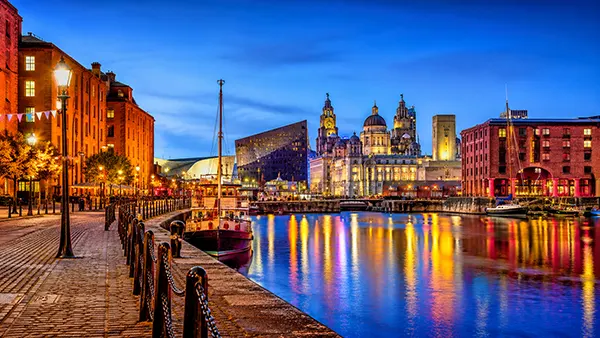
Liverpool’s waterfront districts have changed significantly during the last decade, but many attractions around the docks are still accessible free of charge. Albert Dock remains the central area for tourists thanks to its restored warehouses, museums and waterfront walking routes. Visitors can spend several hours here without paying for entertainment, especially since museums such as the Museum of Liverpool and parts of the Tate Liverpool exhibitions often provide free public access.
The Baltic Triangle has become one of Liverpool’s most active creative districts. Former industrial buildings now contain independent cafés, art spaces and street food markets. Prices in this area are generally lower than in heavily touristic parts of central Liverpool. Weekend food markets give travellers the chance to try local dishes without booking expensive restaurants.
Travellers interested in Liverpool’s maritime history should also walk beyond the central docks towards Stanley Dock and the northern waterfront. These areas show another side of the city, combining restored architecture with active port infrastructure. Walking tours through these districts are often cheaper than organised excursions and allow visitors to explore at their own pace.
Free Attractions and Low-Cost Activities Near the Waterfront
The Royal Albert Dock area includes several attractions suitable for travellers with limited budgets. In addition to museums, visitors can walk along the River Mersey promenade, photograph historic warehouse buildings and watch ferry traffic without spending money. During warmer months, temporary outdoor events and public performances frequently appear near the waterfront.
Another useful option for saving money is choosing accommodation outside the immediate dock area. Hotels and apartments near Lime Street Station or Kensington often cost considerably less while still providing convenient transport connections. Many visitors also select hostels in the Ropewalks district, especially for short weekend stays.
Food costs can also remain reasonable in Liverpool when avoiding heavily advertised tourist restaurants. Independent cafés, bakery shops and local takeaway venues around Bold Street usually offer better prices and more varied menus. Several establishments provide breakfast and lunch specials that are significantly cheaper than evening dining options.

Evening Entertainment and Nightlife Without Excessive Spending
Liverpool’s nightlife remains one of the city’s strongest attractions, but visitors do not need large budgets to enjoy it. Concert bars, comedy venues and late-night pubs continue operating across the city centre, especially around Concert Square, Seel Street and the Baltic Triangle. While some clubs charge expensive weekend entrance fees, many smaller venues still focus on affordable live entertainment.
Travellers who prefer quieter evenings can choose rooftop bars, cinema lounges or evening river walks instead of expensive nightclubs. Liverpool’s illuminated waterfront creates a different atmosphere after sunset, particularly near the Three Graces and Pier Head area. These walks cost nothing while still allowing visitors to experience the city’s evening character.
Group travellers often reduce expenses by booking shared apartments instead of hotels. In 2026, apartment rentals remain popular for weekend visitors because they provide kitchens and communal spaces that help lower food and drink costs. Buying snacks or drinks from supermarkets instead of city-centre bars can significantly reduce overall spending during a short stay.
Practical Budget Tips for a Weekend Stay in Liverpool
Travelling outside major football weekends is one of the easiest ways to avoid inflated accommodation prices. Liverpool hotel rates often rise sharply during Premier League matches and music festivals. Booking flights and accommodation at least six weeks in advance usually provides noticeably better prices, particularly for visitors arriving from European cities.
Weather conditions should also be considered when planning a weekend trip. Liverpool’s climate remains unpredictable throughout the year, and rain is common even during spring and summer. Travellers should prepare waterproof clothing to avoid unnecessary spending on emergency purchases after arrival.
Despite rising travel costs across the United Kingdom, Liverpool continues to offer relatively good value compared to London or Manchester. Visitors can combine music history, waterfront walks, cultural attractions and evening entertainment within a manageable budget. Careful planning, public transport use and choosing local venues instead of heavily promoted tourist locations make it possible to enjoy a full weekend in Liverpool without excessive expenses.