Baltic Capitals from Poland: Vilnius, Riga and Tallinn as a Budget One-Week Route
Travelling through the Baltic capitals is one of the most cost-effective ways to explore Northern Europe without spending a fortune. For travellers starting in Poland, Vilnius, Riga and Tallinn can be connected by affordable buses, low-cost flights and rail links, making it possible to visit three countries in seven days. Lithuania, Latvia and Estonia offer a mix of medieval architecture, modern urban culture, local cuisine and accessible public transport. With careful planning, a week is enough to experience the highlights of each city while keeping accommodation, transport and food expenses under control.
Planning a Week-Long Baltic Journey from Poland
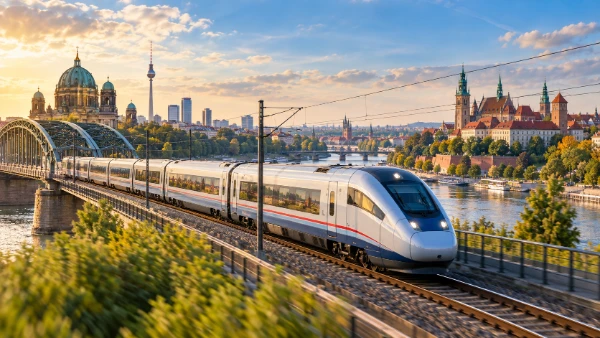
Warsaw is the most practical starting point for a Baltic route. Direct buses operated by international carriers regularly connect the Polish capital with Vilnius, while flights are available for travellers who prefer to save time. Budget-conscious visitors often choose overnight buses because they reduce accommodation costs and maximise sightseeing hours.
A common itinerary includes two days in Vilnius, two days in Riga and three days in Tallinn. The distances between the capitals are manageable, with modern coach services linking the cities several times daily. Travelling by bus is often cheaper than flying and allows visitors to enjoy changing landscapes along the route.
Accommodation costs remain relatively moderate compared with many Western European destinations. Hostels, guesthouses and mid-range hotels are widely available throughout the region. Booking several weeks in advance can significantly reduce overall travel expenses, particularly during the summer tourist season.
Estimated Budget for Seven Days
A traveller using budget accommodation can typically spend between €35 and €60 per day, depending on personal preferences. This estimate includes hostel accommodation, local transport, meals and entrance fees to selected attractions. Choosing shared accommodation and public transport helps keep costs predictable.
Intercity bus tickets between Vilnius, Riga and Tallinn are often available at discounted prices when purchased early. Many operators release promotional fares several months before departure. Flexible travel dates can result in additional savings.
Food costs are generally reasonable across all three capitals. Traditional restaurants, bakeries and local cafés provide filling meals at prices noticeably lower than those found in Scandinavia. Lunch specials and local markets are particularly useful for travellers looking to reduce daily expenses.
Exploring Vilnius and Riga Without Overspending
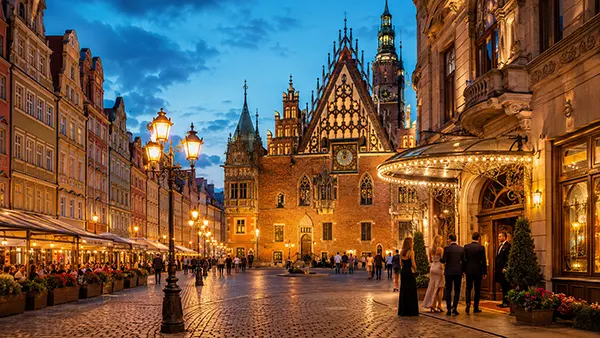
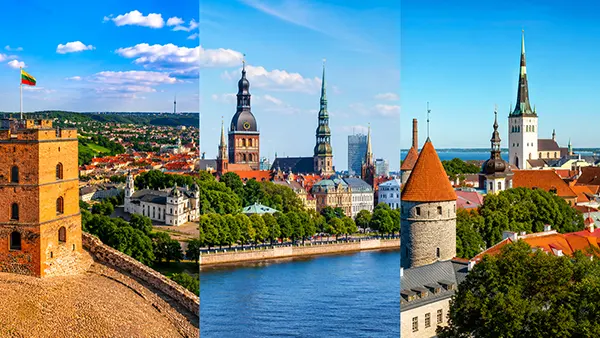
Vilnius combines a compact historic centre with a relaxed atmosphere. The Old Town, recognised as a UNESCO World Heritage Site, can be explored largely on foot. Key attractions include Cathedral Square, Gediminas Tower and the artistic district of Užupis, all of which contribute to understanding the city’s cultural identity.
Many of Vilnius’s attractions require little or no admission fee. Walking tours, public viewpoints and historic churches allow visitors to experience the city without significantly increasing their travel budget. Public transport is efficient and inexpensive for reaching locations outside the centre.
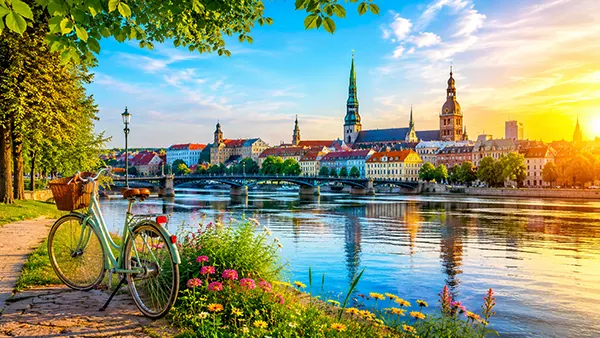
After Vilnius, Riga offers a different urban character. Latvia’s capital is known for its Art Nouveau architecture, extensive boulevards and vibrant market culture. The Central Market, located inside former Zeppelin hangars, remains one of the largest and most distinctive marketplaces in Europe.
What Makes Riga a Valuable Stop
Riga’s Old Town contains numerous historic landmarks within a relatively small area. St Peter’s Church, House of the Black Heads and Town Hall Square can easily be visited during a single day. Walking remains the most practical way to explore central districts.
Art Nouveau architecture represents one of the city’s defining features. Alberta Street contains some of the finest examples of decorative façades in Northern Europe. Travellers interested in architecture can spend several hours exploring the district without purchasing expensive tickets.
The city’s food scene also suits budget travellers. Traditional Latvian dishes, seasonal products and locally produced baked goods are widely available. Many restaurants offer affordable lunch menus that provide good value compared with evening dining prices.
Discovering Tallinn and Making the Most of the Final Days
Tallinn is often considered the most visually distinctive of the Baltic capitals. Its medieval centre remains exceptionally well preserved, featuring defensive walls, towers and narrow cobbled streets. Despite its popularity among international visitors, the city can still be explored on a moderate budget.
The Upper Town area provides panoramic views across the red rooftops of the historic centre and towards the Baltic Sea. Key landmarks include Toompea Castle, Alexander Nevsky Cathedral and several viewing platforms that are free to access.
Tallinn also offers a modern side through districts such as Telliskivi Creative City and the Rotermann Quarter. These areas combine contemporary design, independent businesses and cultural venues, demonstrating how Estonia balances historical heritage with innovation.
Practical Tips for a Successful Baltic Route
Travelling outside peak summer weeks generally results in lower accommodation prices and fewer crowds. Late spring and early autumn provide comfortable weather conditions while preserving access to most attractions and services.
Using public transport cards and digital ticketing applications can simplify travel within each capital. All three cities have modern transport systems, and contactless payment options are increasingly common throughout the region.
A week spent travelling from Poland through Vilnius, Riga and Tallinn offers excellent value for money in 2026. The route combines history, architecture, culture and local cuisine while remaining accessible to travellers with modest budgets. Careful planning, early bookings and a flexible itinerary can make this Baltic journey both affordable and rewarding.