Lublin and Zamość in Four Days: Eastern Poland for Independent Travellers Without a Car
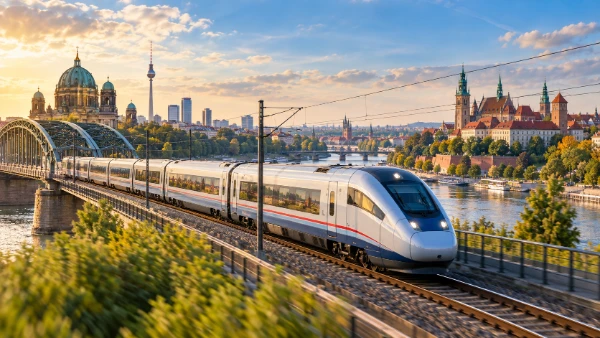
Eastern Poland remains one of the most underrated regions in the country for independent travel. While international tourists often focus on Warsaw, Kraków or the Baltic coast, cities such as Lublin and Zamość offer a quieter atmosphere, lower prices and easier access to local culture. In 2026, travelling through this part of Poland without a car has become far more convenient thanks to improved railway infrastructure, digital ticket systems and modern regional coach services. A four-day route between Lublin and Zamość allows travellers to combine architecture, history, local cuisine and practical budget travel without spending excessive time on transport.
Why Lublin Is an Ideal Base for Independent Travellers
Lublin is one of the most accessible cities in eastern Poland for travellers arriving by public transport. Direct trains from Warsaw operate several times daily and usually take around two hours. The central railway station is connected to the city centre by buses and trolleybuses, while taxis and mobile transport applications remain comparatively affordable. Because the historical centre is compact, many visitors rarely need local transport once they reach their accommodation.
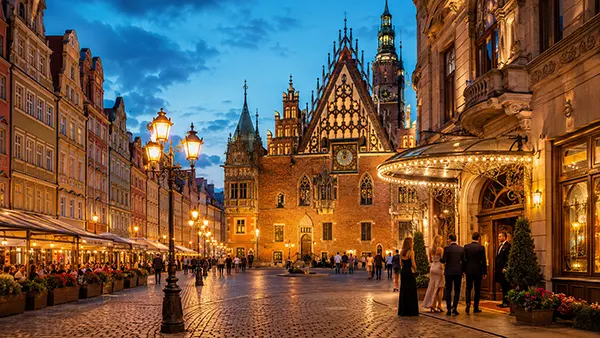
The city combines several historical layers within a relatively small area. Medieval streets, Catholic churches, traces of Jewish heritage and post-war districts exist alongside modern cafés, universities and cultural institutions. This creates a more authentic urban atmosphere compared to cities where tourism dominates daily life. Lublin is particularly attractive for travellers who prefer slower exploration instead of crowded tourist routes.
Accommodation options in Lublin have expanded noticeably by 2026. Visitors can choose between renovated apartments in historical buildings, mid-range hotels near Krakowskie Przedmieście and budget hostels close to the station. Prices generally remain lower than in western Polish cities, which makes Lublin suitable for travellers planning longer stays without significantly increasing their travel budget.
What to See During Two Days in Lublin
The Old Town remains the centre of most sightseeing routes. Krakowska Gate, Grodzka Street and the Market Square form the historical heart of the city. Lublin Castle attracts particular attention because of the Chapel of the Holy Trinity, where preserved medieval frescoes combine Byzantine and Western European artistic traditions. The castle museum also presents exhibitions connected to regional history and archaeology.
Travellers interested in twentieth-century history often dedicate several hours to Majdanek, located on the outskirts of the city. Unlike many historical museums that rely heavily on multimedia effects, Majdanek preserves original structures and documents connected to the German concentration camp that operated during the Second World War. Public buses provide direct access from the city centre, making the site reachable without organised tours.
Lublin is also known for its regional food traditions. Local bakeries continue to prepare cebularz, a flatbread topped with onion and poppy seeds that has become closely associated with the city. Around Plac Litewski and the Old Town, traditional Polish restaurants operate alongside modern cafés specialising in regional products, seasonal menus and locally roasted coffee.
Travelling Between Lublin and Zamość Without Renting a Car
The route between Lublin and Zamość is straightforward even for travellers unfamiliar with Poland’s regional transport system. Coaches remain the most practical option because departures are more frequent than rail services. Depending on the route, the journey usually takes between two and a half and three hours. Most coaches depart from the central station area near Lublin Główny railway station.
Transport infrastructure in eastern Poland has become easier to navigate by 2026 due to digital ticketing systems and multilingual booking applications. Travellers can compare schedules, purchase tickets and store boarding passes directly on their phones. This has reduced many of the difficulties previously experienced by foreign visitors travelling through smaller Polish regions.
The journey itself offers a different perspective on Poland compared to major urban centres. Agricultural fields, villages and forested landscapes dominate the route. Some travellers choose to stop in smaller towns such as Szczebrzeszyn, which is widely recognised in Poland because of a famous tongue-twister connected to the Polish language.
Accommodation, Food and Daily Costs in Eastern Poland
One of the strongest advantages of eastern Poland is the comparatively moderate cost of travel. Hotel prices in Lublin and Zamość are usually noticeably lower than in Warsaw or Gdańsk, especially outside peak summer weekends. Travellers can often rent apartments in historical districts for the price of a basic hotel room in more tourist-heavy regions of the country.
Zamość is particularly convenient for walking-based travel because most attractions are concentrated around the central square. Staying near the Old Town removes the need for local transport almost entirely. Restaurants, museums and cafés are located within short walking distances, which makes the city comfortable for travellers who prefer slower urban exploration.
Regional cuisine also remains affordable in comparison with many Western European destinations. Milk bars, traditional Polish restaurants and independent bakeries continue to offer reasonably priced meals. Travellers relying on public transport instead of rental cars additionally avoid parking fees, fuel costs and motorway charges, which significantly reduces overall travel expenses during a four-day trip.
Why Zamość Is One of Poland’s Most Distinct Historic Cities
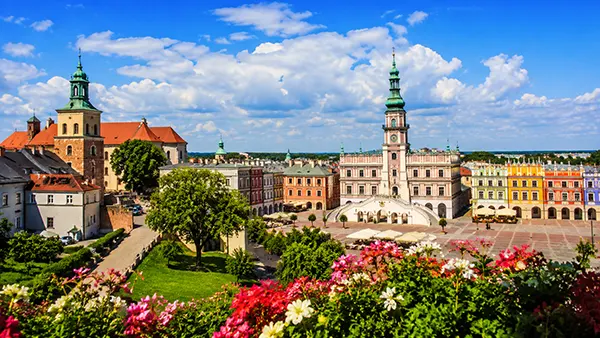
Zamość was founded in the late sixteenth century by Chancellor Jan Zamoyski and designed according to Renaissance concepts of an “ideal city”. Its symmetrical layout, arcaded merchant houses and defensive fortifications have survived remarkably well. Because of its architectural consistency, the city was included on the UNESCO World Heritage List and remains one of the best-preserved Renaissance urban complexes in Central Europe.
The Great Market Square is the centre of local life and tourism. Colourful facades, outdoor cafés and the distinctive Town Hall create an atmosphere that differs noticeably from many other Polish cities. Although tourism has increased in recent years, Zamość still avoids the large crowds typical of Kraków, which allows visitors to explore the city at a slower pace.
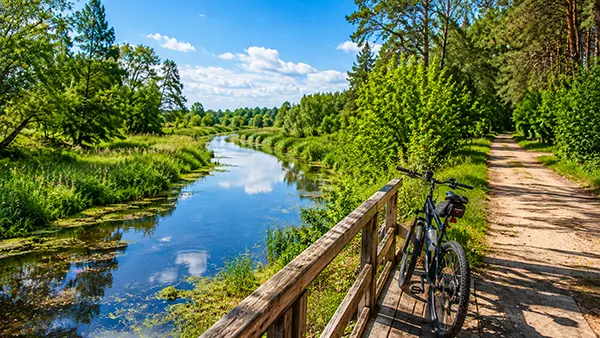
The city also works as a practical starting point for visiting the Roztocze region. Local buses connect Zamość with smaller towns, forest areas and cycling routes nearby. During spring and early autumn, many travellers combine urban sightseeing with short nature excursions, particularly because public transport connections have become more reliable in recent years.
Practical Tips for a Four-Day Route Through Eastern Poland
A balanced itinerary usually includes two nights in Lublin followed by two nights in Zamość. This schedule allows enough time to visit museums, explore local restaurants and walk through historical districts without rushing between attractions. Booking transport tickets in advance is recommended during public holidays and summer weekends when domestic tourism increases significantly.
Spring and early autumn are generally considered the most comfortable seasons for travelling through eastern Poland. Temperatures remain suitable for long walking routes, while tourist numbers are lower than during peak summer months. Winter trips are possible as well, although shorter daylight hours may reduce sightseeing time.
For independent travellers searching for an alternative to Poland’s busiest tourist centres, Lublin and Zamość provide a combination of historical architecture, regional identity and manageable travel costs. The route is especially suitable for visitors who prefer realistic budgets, local food and slower travel experiences instead of heavily commercialised tourist districts.