Casino Tourism in Europe: Combining City Breaks with Responsible Gaming
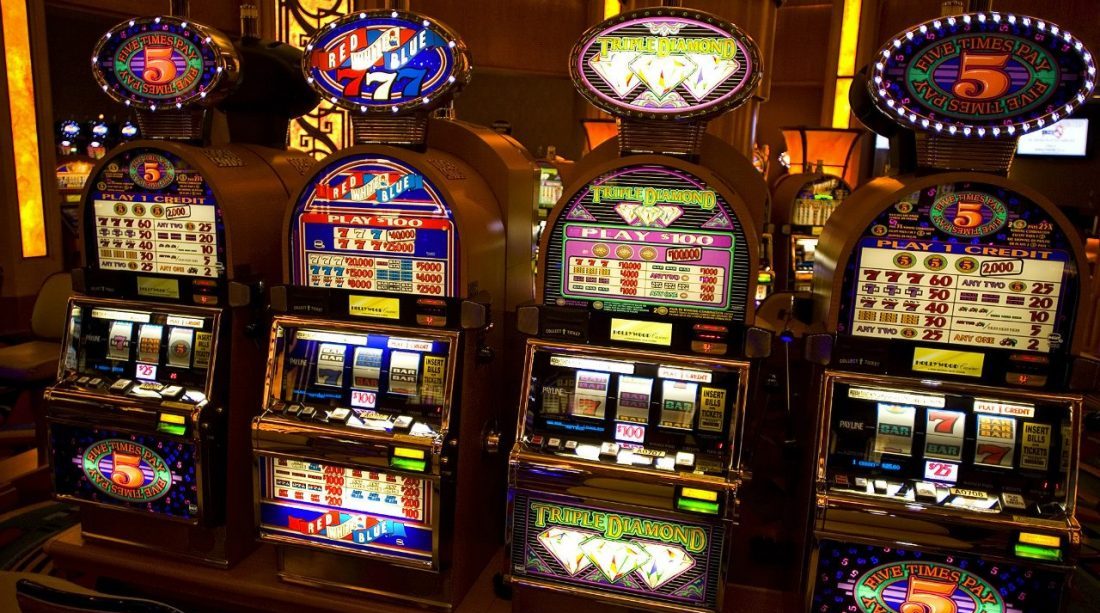
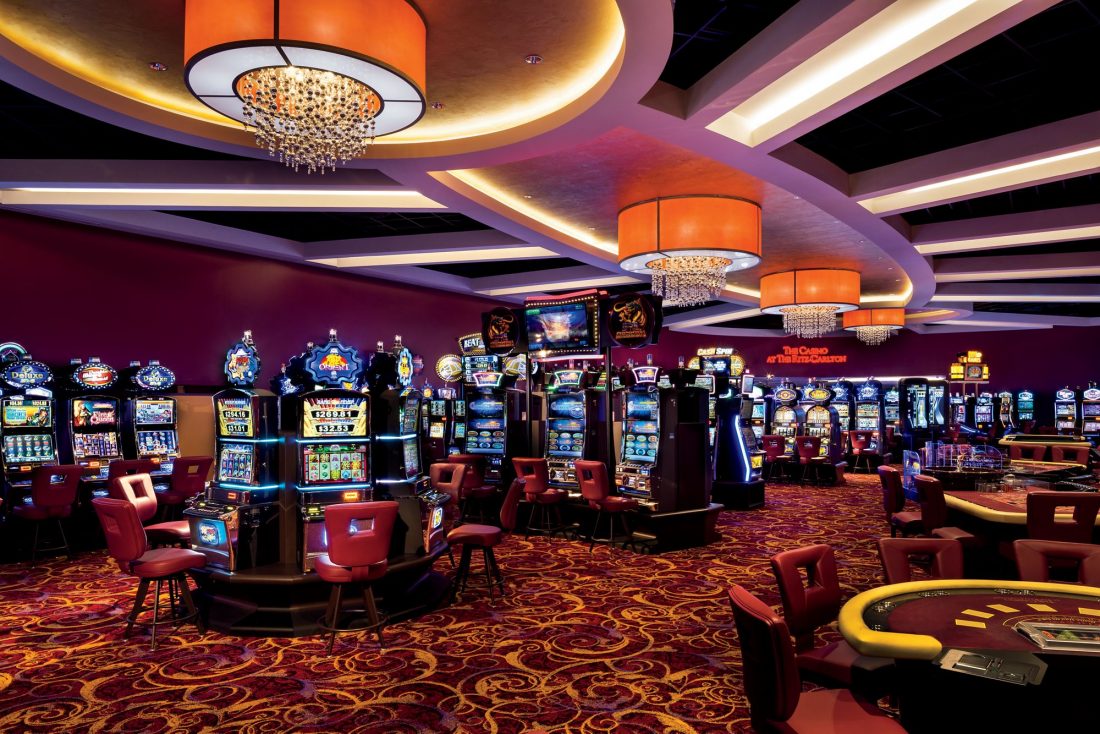
Casino tourism in Europe has changed significantly by 2026. Travellers no longer visit gambling venues only for gaming tables or slot machines. Modern casino trips are often connected with architecture, gastronomy, concerts, cultural landmarks and short city breaks. European destinations such as Monte Carlo, Malta, London, Prague and Vienna continue attracting visitors who want entertainment alongside historical sightseeing and local experiences. At the same time, responsible gambling has become an important part of tourism policies across Europe. Licensed casinos increasingly cooperate with local authorities, hospitality businesses and responsible gaming organisations to create safer conditions for visitors. Spending limits, identity verification systems and self-exclusion tools are now common standards rather than optional features.
Why Casino Tourism Continues to Grow Across Europe
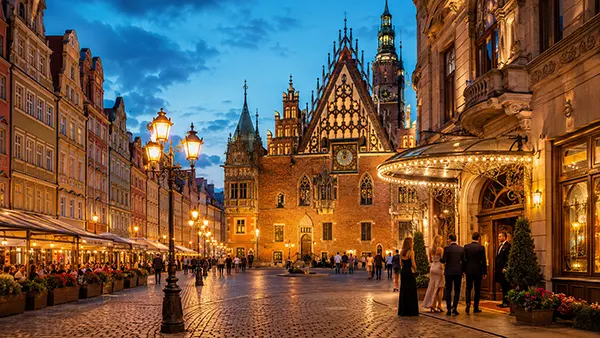
One of the main reasons for the popularity of casino tourism is convenience. Many European cities combine casinos with luxury hotels, theatres, restaurants and shopping districts located within walking distance. Travellers can spend the day visiting museums or historical sites and later enjoy evening entertainment in regulated gambling venues.
Another factor is regulation. European countries with established gambling laws usually provide safer conditions for tourists compared to unlicensed markets. In 2026, casinos in destinations such as Monaco, France and Malta operate under strict financial monitoring and consumer protection rules. Visitors often choose regulated venues because they offer transparent payment systems, verified games and clear age restrictions.
Tourism agencies also promote casino destinations differently today. Advertising increasingly focuses on complete travel experiences rather than gambling alone. Weekend city packages may include spa access, concerts, guided tours and dining reservations alongside casino entry. Some travellers also continue their entertainment online through services including No Limit Way, particularly when looking for familiar casino games during their stay abroad.
Responsible Gaming as Part of Modern Travel Culture
Responsible gambling tools are now visible in most major European casinos. Visitors can set deposit limits, session reminders and temporary account pauses before gambling begins. These systems are designed to help tourists control spending during holidays, when entertainment budgets are often less structured than at home.
Many cities have also introduced stronger awareness campaigns. In places such as Malta and the United Kingdom, licensed operators must provide information about gambling support organisations directly inside gaming venues and hotel partnerships. Staff training programmes now include recognising signs of problematic behaviour among international visitors.
Technology plays a major role as well. Cashless payments, digital ID verification and AI-based monitoring systems help operators detect unusual gambling activity more quickly. By 2026, several European casino groups use automated alerts to identify excessive spending patterns or unusually long gaming sessions, improving player protection without disrupting normal entertainment.
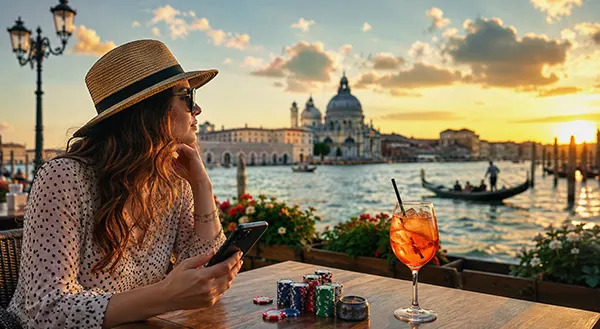
Popular European Destinations for Casino Tourism
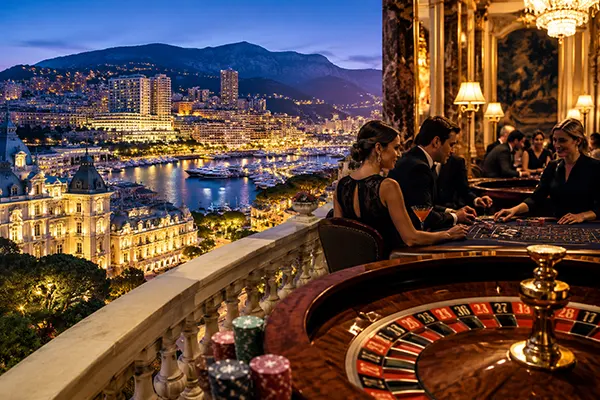
Monte Carlo remains one of the most recognised casino destinations in Europe. The city attracts visitors not only because of the Casino de Monte-Carlo but also because of its coastal location, luxury hotels and motorsport heritage. Travellers often combine gambling entertainment with yacht tourism, fine dining and cultural events throughout the year.
Prague has become popular among younger travellers looking for a more affordable city break. The Czech capital combines historical architecture with a growing nightlife sector and several licensed casinos located near the old town districts. Visitors often choose Prague because accommodation and entertainment costs remain lower than in many Western European cities.
Malta also continues expanding its casino tourism industry in 2026. The island is known for regulated gambling businesses, international tourism infrastructure and year-round warm climate. Many tourists visit Malta for beaches and historical attractions while including casino entertainment as one part of a broader holiday experience.
How Travellers Can Plan Safer Casino Trips
Setting a fixed entertainment budget before departure remains one of the most effective strategies for responsible gambling tourism. Travel experts recommend separating gambling funds from accommodation, transport and food expenses. This reduces the risk of overspending during short city breaks.
Choosing licensed casinos is equally important. Regulated venues in Europe must follow consumer protection standards, identity verification procedures and anti-money laundering rules. Tourists should verify whether a casino operates under a recognised European licence before visiting or registering online.
Travellers should also balance casino visits with other activities. European cities offer museums, sports events, local cuisine and cultural festivals that create a more stable and enjoyable holiday schedule. Gambling should remain one entertainment option within the trip rather than the central purpose of travel.